1Wonder Expedition

Uncategorized

Uncategorized

Lake Manyara National Park

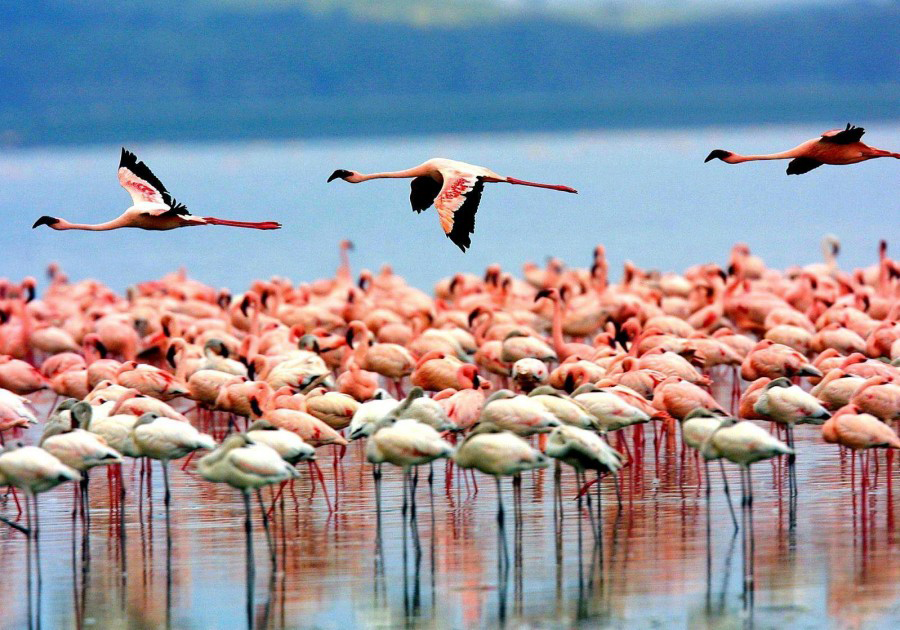
Lake Manyara National Park: Lake Manyara is a stunning, shallow lake located in northern Tanzania within the Lake Manyara National Park, which is part of the Great Rift Valley. The park is known for its dramatic landscapes, diverse wildlife, and excellent birdwatching opportunities. Here’s a breakdown of what to expect, activities to enjoy, and the best time to visit: 1. Overview of Lake Manyara National Park Location: Northern Tanzania, near the town of Mto wa Mbu, about 1.5 hours from Arusha by road. Size: 330 sq km (127 sq miles), with two-thirds of the park covered by the lake when full. Scenery: The park is known for its incredible diversity of ecosystems, ranging from dense forests, grassy plains, acacia woodlands, to the shores of the alkaline lake. It’s nestled at the base of the escarpment of the Great Rift Valley, providing breathtaking views. 2. Wildlife Birds: Lake Manyara is a birdwatcher’s paradise with over 400 species of birds recorded. You can see huge flocks of flamingos, pelicans, cormorants, and storks. Tree-climbing Lions: Unique to Lake Manyara, these lions often rest in the acacia trees, providing a rare and exciting sight. Other Animals: Elephants, giraffes, buffalo, zebras, hippos, wildebeest, baboons, and impalas are common. You may also spot leopards, though they are more elusive. 3. Activities Game Drives: The most popular activity. Drives are typically done early morning or late afternoon when wildlife is more active. You can expect to see elephants, hippos, monkeys, and a variety of birds. Birdwatching: With over 400 species, birdwatching is one of the key attractions. You can spot flamingos, pelicans, and migratory species. Canoeing: In the wet season, you can take a canoe tour on the lake (though this depends on the water levels). Cultural Visits: Mto wa Mbu, a nearby village, offers cultural tours to learn about local tribes and their traditions. Treetop Walkway: A canopy walk through the forest offers a unique perspective of the wildlife, especially birds and monkeys. Night Game Drives: Some lodges offer night drives, giving you a chance to spot nocturnal species like bush babies and nightjars. Guided Walks: Explore the park on foot with a guide to learn about the smaller flora and fauna. 4. Best Time to Visit Dry Season (June to October): The best time for wildlife viewing, as animals are easier to spot in the thinning vegetation. The weather is dry and cool, and the park’s roads are in good condition. This period is ideal for game drives and birdwatching. Wet Season (November to May): Best for birdwatching as migratory birds arrive, and the landscape is lush and green. The wet season has two periods: Short Rains (November to December): The rains are not too heavy, and wildlife is still abundant. Long Rains (March to May): The park may be harder to navigate due to muddy roads, but it’s the best time for canoeing on the lake. Flamingo Season: Flamingos typically arrive between November and May when water levels and conditions are right. 5. What to Expect Scenery: Expect lush forests, beautiful acacia woodlands, and expansive views of the Great Rift Valley escarpment. The contrast of the lush greenery against the alkaline lake is stunning. Wildlife: Besides the more typical safari wildlife, Lake Manyara offers unique tree-climbing lions and large troops of baboons. Birdwatching: Whether you are a bird enthusiast or not, the abundance of birdlife, particularly flamingos, is impressive. Peaceful Setting: Lake Manyara is often less crowded than other northern Tanzanian parks like Serengeti or Ngorongoro, so you can enjoy a more peaceful safari experience. Lake Manyara is often part of the classic northern Tanzania safari circuit, typically paired with visits to Tarangire, Serengeti, and Ngorongoro Crater. Enjoy an Array of African Wildnerness Experience Book Now
Uncategorized

Tarangire National Park

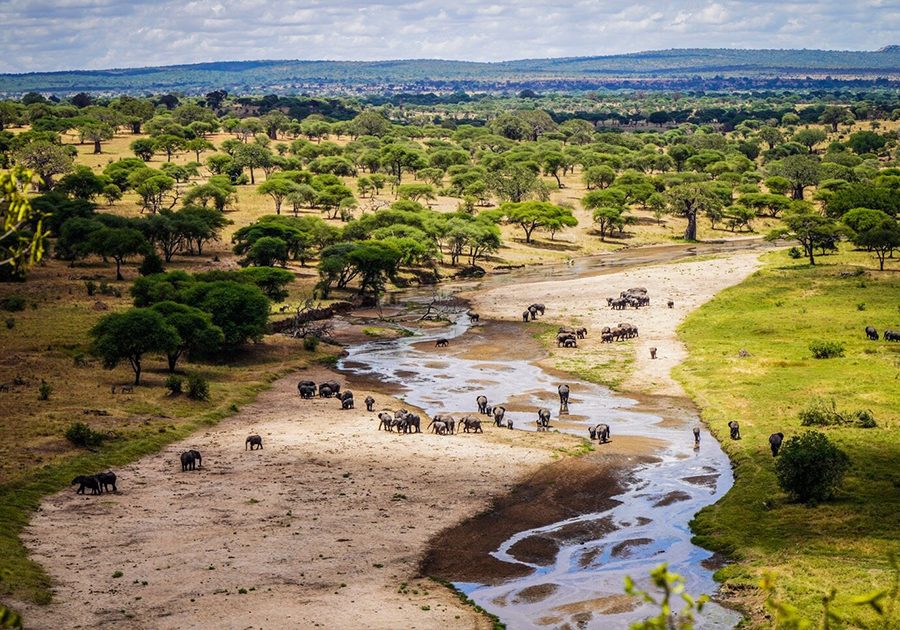
Tarangire National Park: Tarangire National Park is one of Tanzania’s hidden gems, located in the northern part of the country. It is less frequented than its famous neighbors, Serengeti and Ngorongoro, but it’s renowned for its large elephant herds, ancient baobab trees, and stunning landscapes. Here’s a breakdown of key aspects to know about Tarangire: Overview Location: Tarangire is about 120 km southwest of Arusha, making it easily accessible from the safari circuit. Size: It covers an area of around 2,850 square kilometers, with the Tarangire River as its lifeline, especially during the dry season. Wildlife: Tarangire is home to a wide variety of wildlife, including elephants, giraffes, buffaloes, zebras, wildebeests, lions, leopards, and cheetahs. It is also a great place to see less common animals like the fringe-eared oryx, greater kudu, and gerenuk. Over 550 species of birds have been recorded here, making it a birdwatcher’s paradise. Activities Game Drives: The most popular activity, offering excellent opportunities to see large elephant herds, predators, and diverse plains game. Guided Walking Safaris: For a more intimate experience, these walks allow you to explore the park on foot with a guide, learning about the smaller flora and fauna. Bird Watching: With hundreds of bird species, including colorful species like yellow-collared lovebirds and various raptors, it’s a prime location for birders. Night Game Drives: Some lodges outside the park offer night drives where you can see nocturnal wildlife like lions on the hunt, hyenas, and leopards. Cultural Tours: Visits to nearby Maasai or Datoga villages to experience the local culture and traditions. Picnicking: There are several picnic spots within the park, offering scenic views and a peaceful setting for a break during a safari. Best Time to Visit Dry Season (June to October): This is the best time to visit as wildlife congregates around the Tarangire River and waterholes, making them easier to spot. It’s also cooler with fewer mosquitoes. The dry season is ideal for big game viewing, especially elephants. Wet Season (November to May): The park is greener, and although wildlife is more spread out, birdlife is spectacular, with migratory species arriving. This is also the calving season, making it great for spotting baby animals, but the roads can become muddy. What to Expect Scenic Beauty: Expect sweeping savannah landscapes punctuated by iconic baobab trees and rolling hills. The Tarangire River creates a scenic contrast, especially during the dry season. Wildlife Encounters: Elephants are the stars of the park. During the dry season, you can see herds numbering in the hundreds. Lions, cheetahs, and leopards are also relatively common, although not as predictable as in some other parks. Fewer Crowds: Compared to Serengeti or Ngorongoro, Tarangire tends to have fewer visitors, offering a more intimate safari experience. Varied Terrain: From wetlands and woodlands to rivers and open plains, the varied terrain of Tarangire supports a wide range of wildlife and vegetation, adding to its appeal. Would you like more details on accommodations or specific tours? Enjoy an Array of African Tarangire Wildnerness Experience Book Now

Uncategorized

Serengeti National Park

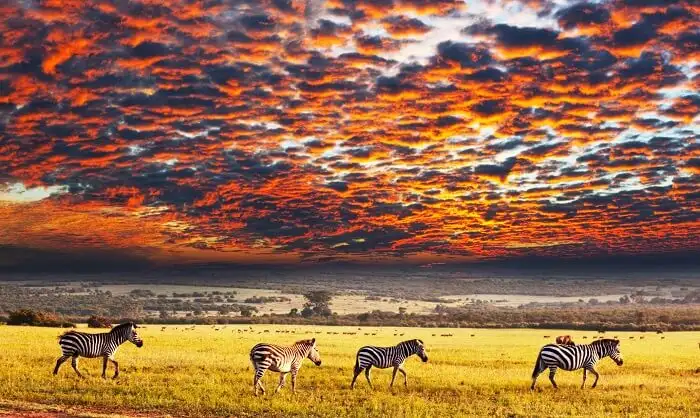
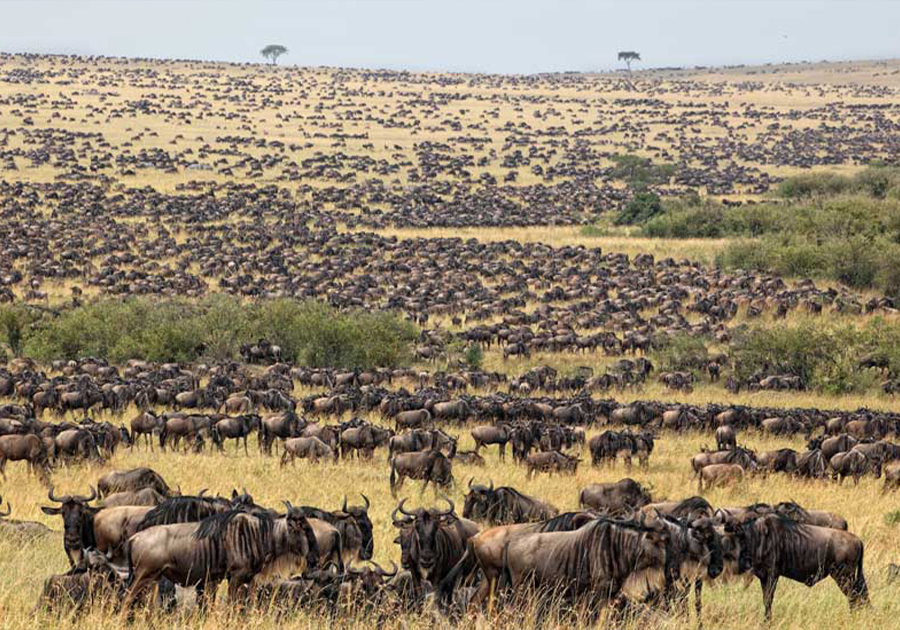
Serengeti National Park is one of the most iconic and well-known national parks in the world, located in northern Tanzania. Here are key details about the park: 1. Size and Location: Area: Approximately 14,750 square kilometers (5,700 square miles). Location: The park stretches across northern Tanzania, bordering Kenya. It forms part of the larger Serengeti ecosystem, which includes Kenya’s Maasai Mara Reserve. 2. Wildlife: The Great Migration: The Serengeti is famous for the annual migration of over 1.5 million wildebeests, along with hundreds of thousands of zebras, gazelles, and other animals. This migration, which involves moving from the Serengeti to the Maasai Mara in search of greener pastures, is one of the largest and most dramatic wildlife spectacles on Earth. Big Five: The park is home to the Big Five (lion, elephant, buffalo, leopard, and rhinoceros), making it a prime destination for wildlife enthusiasts. Predators: The park has large populations of predators, especially lions, cheetahs, leopards, and hyenas. Birdlife: Serengeti is also a birdwatcher’s paradise, with over 500 species of birds. 3. Landscape: Plains: The park is characterized by its vast, treeless plains, which provide excellent opportunities to spot wildlife. Woodlands and Kopjes: The park also features savannah woodlands and rocky outcrops known as kopjes, which are home to lions, leopards, and other animals that use them as vantage points. Rivers: Key rivers, such as the Grumeti and Mara Rivers, flow through the park, attracting wildlife, especially during the dry season. 4. Tourism and Activities: Safaris: Serengeti is one of the top safari destinations in Africa. Visitors can take part in guided game drives, balloon safaris, and walking safaris. Cultural Experiences: Many tourists also explore nearby Maasai villages to experience the rich cultural heritage of the Maasai people. Best Time to Visit: The Great Migration can be witnessed year-round, but the best times depend on the location of the herds. The dry season (June to October) is ideal for general wildlife viewing. 5. Conservation: The Serengeti is a UNESCO World Heritage Site, recognized for its ecological importance. Conservation efforts aim to protect the park from threats such as poaching and encroachment. 6. Access: Airports: The park is accessible from several nearby airstrips, such as Seronera Airstrip. Major nearby airports include Kilimanjaro International Airport and Arusha Airport. Road: The park is reachable by road from Arusha, which takes about 6-7 hours. Serengeti National Park is not only a cornerstone of African wildlife tourism but also a key area for conservation efforts. Its vast landscapes and rich biodiversity make it a must-visit destination for nature lovers and adventurers. Don’t miss out on the adventure of a lifetime. Reserve your African safari now!

Kilimanjaro Trekking
Uncategorized

Kilimanjaro

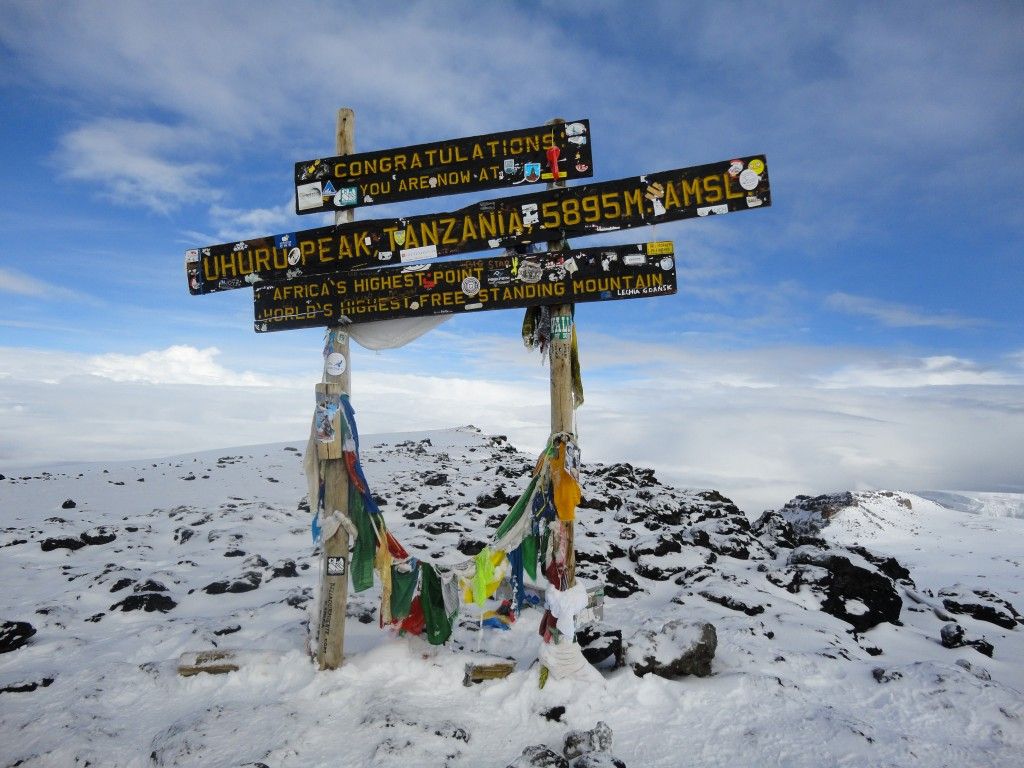
The highest peak in Africa, Kilimanjaro is a dormant volcano and a popular destination for trekkers and mountaineers. The climb takes you through various ecosystems, providing breathtaking views. Highlights: Uhuru Peak, glaciers, diverse flora and fauna. Here are some key aspects of Kilimanjaro: Mount Kilimanjaro is the highest peak in Africa and one of the most iconic mountains in the world. Here is some information about Mount Kilimanjaro: Geography and Location:Mount Kilimanjaro is located in Tanzania, East Africa, near the border with Kenya.It is situated in Kilimanjaro National Park, which is a UNESCO World Heritage Site. Height and Elevation:Kilimanjaro’s highest peak, Uhuru Peak, stands at an elevation of 5,895 meters (19,341 feet) above sea level.Despite its considerable height, Kilimanjaro is a free-standing mountain and not part of any mountain range. Geological Origin:Kilimanjaro is a stratovolcano that formed from successive volcanic eruptions. It is composed of three cones: Kibo, Mawenzi, and Shira.Kibo is the highest and central cone, and it houses the famous Uhuru Peak. Climbing Routes:There are several routes to climb Kilimanjaro, each offering a unique experience and varying levels of difficulty. The most popular routes include the Marangu, Machame, Lemosho, and Rongai routes.Climbers pass through diverse ecosystems, ranging from rainforests to alpine deserts, during their ascent. Climate Zones:Kilimanjaro spans multiple climate zones due to its elevation. Climbers encounter rainforests at the base, followed by moorland, alpine desert, and finally, the summit zone characterized by glaciers and snow. Glaciers and Ice Cap:Despite being near the equator, Kilimanjaro is famous for its glaciers and ice cap. However, due to climate change, the glaciers have been shrinking over the years, and there are concerns about their long-term sustainability. Wildlife and Flora:The slopes of Kilimanjaro are home to a variety of wildlife, including elephants, buffalos, and monkeys in the lower regions. Higher up, unique plant species such as the giant groundsel and lobelia are found. Cultural Significance:Kilimanjaro holds cultural significance for the local Chaga people. The mountain is often referred to as the “Roof of Africa” and is a symbol of national pride for Tanzania. Tourism and Conservation:Climbing Kilimanjaro is a popular adventure activity, attracting thousands of climbers each year.The Tanzanian government, in collaboration with various organizations, is actively involved in conservation efforts to preserve the mountain’s unique ecosystems. Challenges and Considerations:Climbing Kilimanjaro requires proper acclimatization due to the rapid changes in altitude.Trekkers need to be well-prepared for the physical and mental challenges of the climb. Climbing Mount Kilimanjaro is a remarkable and rewarding experience, offering breathtaking scenery and a sense of accomplishment for those who reach its summit. Book Now Safari dreams come true here. Plan your ultimate African adventure today! Book Now

Zanzibar
Uncategorized

Zanzibar Island

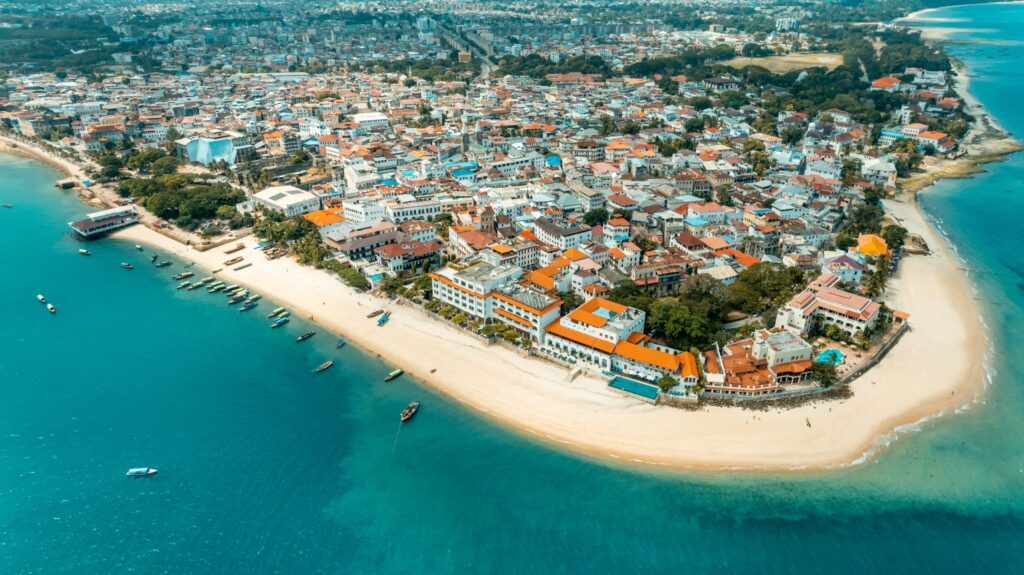
Here are some key aspects of Zanzibar: Zanzibar is a beautiful archipelago located off the coast of Tanzania in East Africa, known for its stunning beaches, rich history, and vibrant culture. Here’s a guide on what to expect, activities to enjoy, and the best times to visit. General Overview Zanzibar consists of two main islands, Unguja (commonly referred to as Zanzibar Island) and Pemba, along with several smaller islets. Zanzibar is famous for its spice trade history, and its capital, Stone Town, is a UNESCO World Heritage Site due to its well-preserved architecture and history. Best Time to Visit Dry Season (June to October): This is the most popular time to visit due to the dry weather and pleasant temperatures (between 25°C – 30°C). It’s ideal for beach activities, snorkeling, and exploring Stone Town. Short Rainy Season (November to December): There are short bursts of rain, but it’s still a good time to visit, especially if you’re seeking fewer crowds. Hot Season (January to February): This is the hottest period, but the weather is still dry, making it perfect for a beach vacation. Long Rainy Season (March to May): Zanzibar experiences heavy rains during this time, so many hotels and businesses close, and it’s not ideal for outdoor activities. Top Activities in Zanzibar Explore Stone Town: Wander through the narrow alleys of this historic town, visiting landmarks like the House of Wonders, Old Fort, and Sultan’s Palace. The mix of Swahili, Arab, Indian, and European influences can be seen in the architecture and culture. Prison Island: A short boat ride from Stone Town, this island was once used as a quarantine station. Now, it’s home to giant tortoises and offers excellent snorkeling spots. Spice Tours: Zanzibar is known as the “Spice Island,” so taking a spice tour is a must. You’ll visit farms where cloves, cinnamon, nutmeg, and other spices are grown, and learn about their importance to the island’s economy. Beaches and Water Activities: Nungwi and Kendwa: Located in the north, these are some of the most stunning beaches with powdery white sand and crystal-clear waters. Perfect for swimming, sunbathing, and water sports. Paje: Located on the eastern coast, Paje is popular with kite surfers and offers a laid-back atmosphere. Snorkeling and Diving: Zanzibar has several coral reefs with abundant marine life. Mnemba Atoll is one of the best spots for diving and snorkeling. Jozani Forest: Home to the endemic Red Colobus Monkeys, this forest is a great place for wildlife enthusiasts and offers beautiful nature walks through mangroves and forests. Visit Pemba Island: If you’re seeking a quieter, more off-the-beaten-path experience, head to Pemba Island. It’s less developed than Unguja and offers great diving, unspoiled beaches, and small fishing villages. Cultural Experiences: Dhow Cruises: Sunset cruises on traditional wooden boats are a great way to relax and enjoy the beautiful seascapes. Local Markets: Visit the Darajani Market in Stone Town for a vibrant shopping experience with spices, fresh produce, and local crafts. What to Expect in Zanzibar Cultural Diversity: Zanzibar is a melting pot of cultures, with influences from Africa, Arab, Indian, and European traders. You’ll notice this in the architecture, food, and language (Swahili is the main language, but many people also speak English). Cuisine: Zanzibari food is rich with spices. Don’t miss trying Zanzibar pizza, biryani, seafood dishes, and the famous Zanzibari spice tea. Dress Code: While Zanzibar is a tropical destination, it’s a predominantly Muslim region, so modest dress is appreciated, especially when visiting Stone Town or rural areas. Currency: The local currency is the Tanzanian shilling (TZS), but US dollars are widely accepted, especially in hotels and tourist areas. Travel Tips Health Precautions: Ensure you’re vaccinated for yellow fever if coming from an endemic region, and consider anti-malaria medication. Transportation: Taxis are common, but you can also hire a private driver or use dala-dalas (local minibuses) for a more authentic experience. Visas: Most travelers need a visa to enter Tanzania, which can often be obtained upon arrival at the airport or applied for online. Zanzibar offers a perfect mix of relaxation, culture, and adventure, making it an ideal tropical destination with something for everyone. Book Now Enjoy an Array of African Beach Holiday Experience Book Now

African Luxury Tanzania Safari
Uncategorized

Ngorongoro Crater-Tanzania Safari

The Ngorongoro Crater is one of Tanzania’s most iconic natural wonders and a UNESCO World Heritage Site. Located within the larger Ngorongoro Conservation Area, this massive volcanic caldera is known for its stunning landscapes and rich biodiversity Key features and information about the Ngorongoro Crater Formation: The Ngorongoro Crater was formed about 2 to 3 million years ago when a giant volcano erupted and collapsed, creating a vast bowl-shaped depression. It is the world’s largest inactive, intact volcanic caldera. Size: The crater has a diameter of approximately 19 kilometers (12 miles), covers an area of around 260 square kilometers (100 square miles), and its walls rise up to 600 meters (2,000 feet) high. Wildlife: Often referred to as “Africa’s Garden of Eden,” the Ngorongoro Crater is home to an extraordinary concentration of wildlife. It’s estimated that about 25,000 large animals live in the crater year-round, including: Lions: One of the densest populations of lions in Africa. Elephants: Some of the largest-tusked elephants in Tanzania. Black Rhinos: A protected population of critically endangered black rhinos. Leopards, Buffaloes, Zebras, Wildebeests, and Hippos. Birdlife: Flamingos, ostriches, and other bird species flourish around the crater lakes. Ecosystem: The crater supports a variety of ecosystems within its floor, including grasslands, forests, swamps, and Lake Magadi, a soda lake that attracts flamingos. The unique geography helps maintain its abundant wildlife throughout the year. Cultural Significance: The Ngorongoro Conservation Area is also home to the Maasai people, who co-exist with the wildlife in a harmonious balance. Visitors can experience authentic Maasai culture through village visits, learning about their traditional way of life. Olduvai Gorge: Located just outside the crater, the Olduvai Gorge is one of the world’s most important archaeological sites, where fossils of early human ancestors have been discovered. It’s often referred to as the “Cradle of Mankind.” Conservation: The Ngorongoro Conservation Area is a multiple-use area, which means it balances conservation efforts with the presence of local Maasai communities. The goal is to protect the area’s biodiversity while allowing indigenous communities to live and graze their livestock. Visiting the Ngorongoro Crater: Best Time to Visit: Wildlife is present year-round, but the dry season (June to October) is ideal for game viewing, as animals tend to gather near water sources. The wet season (November to May) offers lush landscapes and fewer crowds. Safari Experience: The crater provides a unique and highly concentrated safari experience. Game drives usually start early in the morning, as most animals are more active during the cooler hours of the day. Fees: Park fees for the Ngorongoro Conservation Area vary, typically around $60–$70 per person per day for non-residents, plus an additional crater service fee for vehicles. Book Now Book your dream African safari today and experience the untamed wilderness up close Book Now

Uncategorized

Serengeti National Park – Tanzania Safari

Serengeti National Park is one of the most famous and iconic wildlife conservation areas in the world, located in the northern part of Tanzania, East Africa. It spans an area of approximately 14,750 square kilometers (5,700 square miles) and is contiguous with the Masai Mara National Reserve in Kenya to the north. Together, the Serengeti and Masai Mara form a vast ecosystem that supports a diverse range of wildlife. Key features and information about Serengeti National Park: Great Migration: The Serengeti is renowned for hosting the Great Migration, one of the most spectacular natural events on the planet. This migration involves the movement of millions of wildebeest, zebras, and other herbivores across the Serengeti-Masai Mara ecosystem in search of fresh grazing and water. Wildlife: The park is home to an incredibly diverse array of wildlife, including the Big Five (lion, elephant, buffalo, leopard, and rhinoceros). Other notable species include cheetahs, giraffes, hippos, crocodiles, and a rich variety of bird species. Landscape: The Serengeti features a diverse landscape that includes grasslands, savannahs, woodlands, and riverine forests. The Seronera River, Grumeti River, and Mara River are important water sources for the wildlife. Serengeti Plains: The vast Serengeti Plains, characterized by endless grasslands, are the backdrop for much of the wildlife action, especially during the Great Migration. The plains provide excellent visibility for observing the incredible abundance of wildlife. Conservation Status: Serengeti National Park was established in 1951 and later designated a UNESCO World Heritage Site in 1981 in recognition of its outstanding universal value. The park plays a crucial role in wildlife conservation, protecting the diverse ecosystems and supporting various endangered species. Tourism: The Serengeti is a popular destination for wildlife enthusiasts and tourists. Visitors can experience thrilling safari adventures, witnessing the incredible biodiversity and natural beauty of the region. Hot air balloon safaris are also a unique and popular way to view the landscape and wildlife from above. Cultural Significance: The Serengeti is located in the traditional lands of the Maasai people, and their cultural influence can still be seen in the region. Some lodges and camps in and around the park offer cultural experiences, allowing visitors to learn about and engage with the local Maasai communities. Research and Conservation Efforts: The Serengeti is a hub for scientific research and conservation efforts. Researchers study the park’s ecosystems, wildlife behavior, and migration patterns to better understand and protect the delicate balance of nature in the region. Serengeti National Park continues to be a symbol of Africa’s natural beauty and biodiversity, attracting travelers from around the globe who seek to witness the wonders of the wild in this extraordinary landscape. Book Now Don’t miss out on the adventure of a lifetime. Reserve your African safari now!

Scroll to Top