1Wonder Expedition

Author name: Admin-1wonder

safari pack list
Travel Tips

Safari Packing List

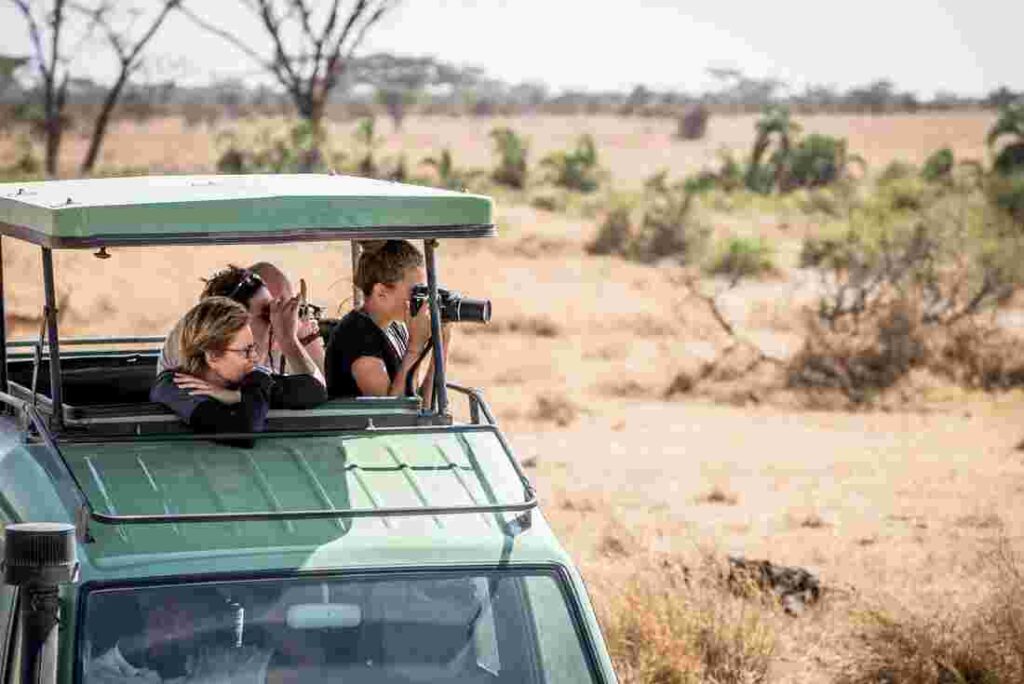
Creating a packing list for a safari is crucial to ensure you have everything you need for a comfortable and enjoyable experience in the wild. Safaris often take place in remote areas with specific climate conditions, so it’s essential to be well-prepared. Here’s a comprehensive safari packing list to help you plan: Clothing: Neutral-colored clothing: Light and breathable fabrics in earthy tones to blend with the environment. Long-sleeved shirts and pants: Protect against sun, insects, and thorny vegetation. Lightweight jacket: For cool mornings and evenings. Wide-brimmed hat: Provides shade and protection from the sun. Comfortable, sturdy walking boots: Suitable for bushwalks and game drives. Swimwear: If your safari includes water activities or lodge amenities. Socks and underwear: Moisture-wicking for comfort. Gear and Accessories: Binoculars: Essential for wildlife observation. Camera and lenses: Capture memorable moments and wildlife. Sunglasses with UV protection: Shield your eyes from the sun. Headlamp/flashlight: Useful for navigating at night. Power bank and adaptors: Keep your devices charged. Backpack: For day trips and carrying essentials. Water bottle: Stay hydrated during game drives. Sunscreen and lip balm: Protect against sun exposure. Insect repellent: Guard against mosquitoes and other insects. First aid kit: Basic medical supplies for emergencies. Personal Items: Passport and travel documents: Ensure they are up-to-date. Travel insurance: Essential for unexpected situations. Prescription medications: Carry necessary medications and a basic first aid kit. Toiletries: Toothbrush, toothpaste, and other personal hygiene items. Quick-dry towel: Useful for various situations. Travel pillow: For comfort during long drives. Safari-Specific Items: Field guidebook: Learn more about the local flora and fauna. Notebook and pen: Journal your safari experience. African animal and bird checklist: Keep track of the species you encounter. Optional Extras: Travel pillow and blanket: Enhance comfort during long drives or flights. Portable binoculars tripod: Steady your view for extended wildlife observation. Important Tips: Check with your safari provider: Confirm if they provide any specific items, such as blankets, ponchos, or specialized gear. Pack light: Stick to the essentials and prioritize versatile clothing. Respect local customs: Be mindful of the dress code and cultural norms. Remember to tailor this list to your specific safari destination and the time of year you’ll be traveling. Always check the weather conditions and any specific recommendations from your safari operator. Book Now Don’t miss out on the adventure of a lifetime.Reserve your African safari now!
Best Time to Visit Tanzania
Travel Tips

Best Time to Visit Tanzania

Tanzania, located on the eastern coast of Africa, is a diverse and stunning destination known for its wildlife, landscapes, and cultural richness. The best time to visit Tanzania depends on your specific interests and the experiences you seek, as the country has varying climates and attractions throughout the year. Here’s a breakdown of the different seasons and their highlights: Dry Season (June to October): This period is considered the best time to visit Tanzania for wildlife enthusiasts, particularly for those interested in witnessing the Great Migration in the Serengeti. The weather is generally dry, with cooler temperatures making it more comfortable for safaris. The dry season is ideal for exploring national parks, including the Serengeti, Ngorongoro Crater, and Tarangire, as wildlife congregates around water sources. Green Season or Short Rains (November to December): This is the beginning of the wet season, but it’s often referred to as the “Green Season” due to the lush landscapes. The vegetation is vibrant, and birdwatching is excellent during this time. While wildlife is still abundant, some areas may be harder to access due to muddy roads. Long Rains (March to May): This is the peak of the wet season, and it’s not the most popular time for tourism due to heavy rainfall. The landscapes are incredibly green, but some roads and remote areas may become impassable. This is a good time for birdwatching, and some lodges may offer discounted rates. Shoulder Seasons (January to February and March to May): These months mark the transition between the wet and dry seasons. January to February is a good time for a safari, with the landscape still green from the short rains. March to May is the low season, with fewer tourists, lower prices, and excellent birdwatching opportunities. Zanzibar and the Coast: The coastal areas, including Zanzibar, have a different climate. The dry season (June to October) is the best time for beach vacations and water activities. However, the coastal regions are generally warm and humid throughout the year. In conclusion, the best time to visit Tanzania depends on your preferences. If you’re primarily interested in wildlife and safaris, the dry season is optimal. For those who enjoy lush landscapes and birdwatching, the green and shoulder seasons might be more appealing. If you plan to explore the coastal areas, the dry season is recommended for pleasant beach weather. Always check specific regional weather conditions and consider your travel priorities when planning your visit to Tanzania. Book Now Embark on an extraordinary African safari. Contact us to plan your adventure!

Kilimanjaro Trekking
Uncategorized

Kilimanjaro

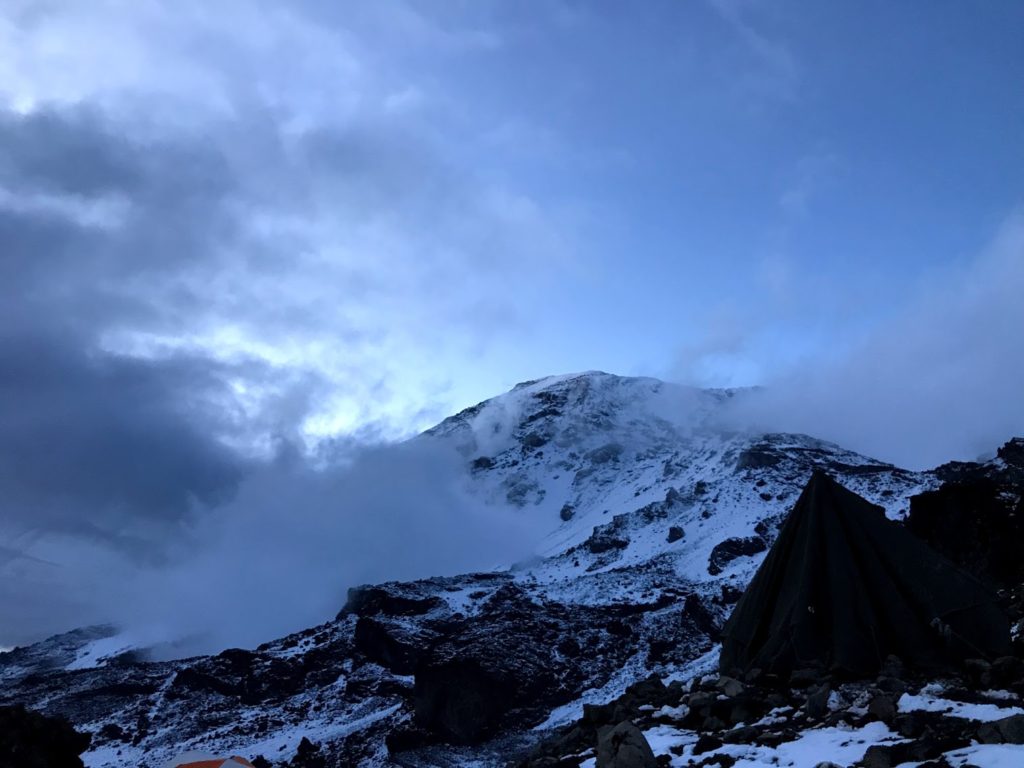
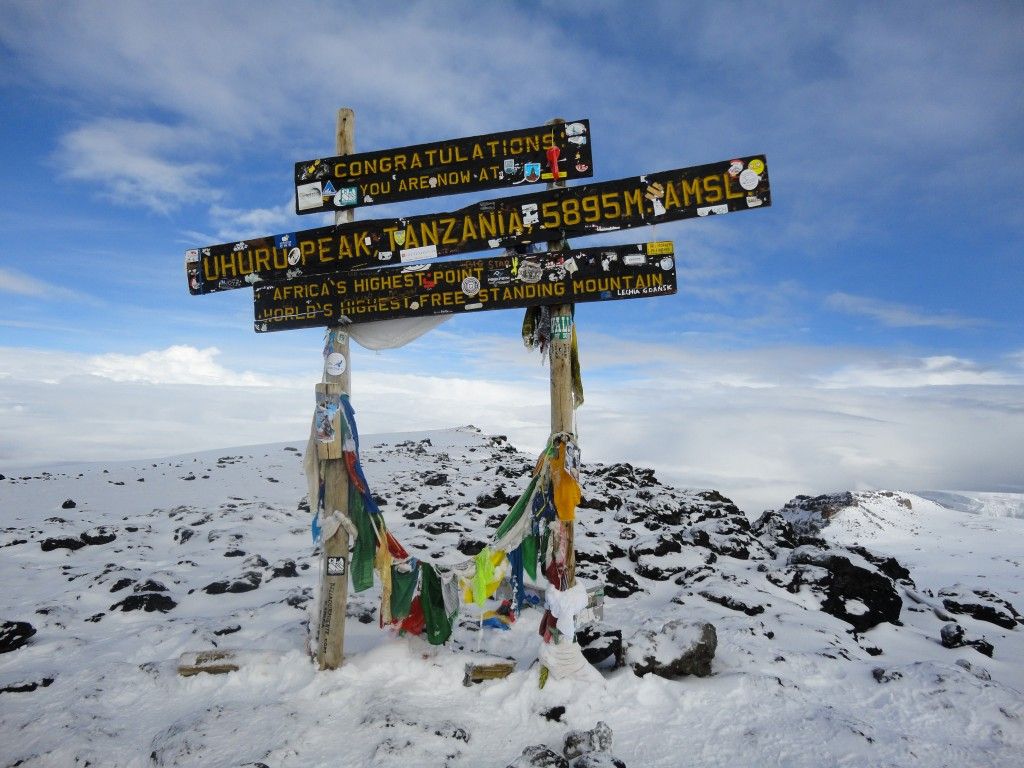
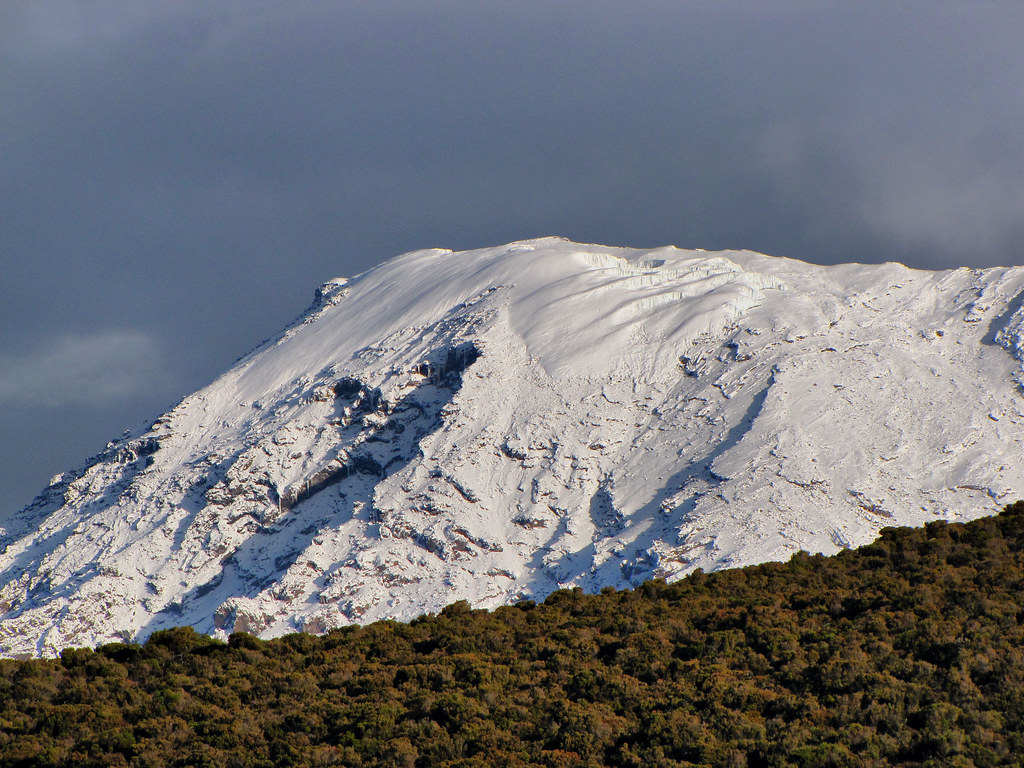
The highest peak in Africa, Kilimanjaro is a dormant volcano and a popular destination for trekkers and mountaineers. The climb takes you through various ecosystems, providing breathtaking views. Highlights: Uhuru Peak, glaciers, diverse flora and fauna. Here are some key aspects of Kilimanjaro: Mount Kilimanjaro is the highest peak in Africa and one of the most iconic mountains in the world. Here is some information about Mount Kilimanjaro: Geography and Location:Mount Kilimanjaro is located in Tanzania, East Africa, near the border with Kenya.It is situated in Kilimanjaro National Park, which is a UNESCO World Heritage Site. Height and Elevation:Kilimanjaro’s highest peak, Uhuru Peak, stands at an elevation of 5,895 meters (19,341 feet) above sea level.Despite its considerable height, Kilimanjaro is a free-standing mountain and not part of any mountain range. Geological Origin:Kilimanjaro is a stratovolcano that formed from successive volcanic eruptions. It is composed of three cones: Kibo, Mawenzi, and Shira.Kibo is the highest and central cone, and it houses the famous Uhuru Peak. Climbing Routes:There are several routes to climb Kilimanjaro, each offering a unique experience and varying levels of difficulty. The most popular routes include the Marangu, Machame, Lemosho, and Rongai routes.Climbers pass through diverse ecosystems, ranging from rainforests to alpine deserts, during their ascent. Climate Zones:Kilimanjaro spans multiple climate zones due to its elevation. Climbers encounter rainforests at the base, followed by moorland, alpine desert, and finally, the summit zone characterized by glaciers and snow. Glaciers and Ice Cap:Despite being near the equator, Kilimanjaro is famous for its glaciers and ice cap. However, due to climate change, the glaciers have been shrinking over the years, and there are concerns about their long-term sustainability. Wildlife and Flora:The slopes of Kilimanjaro are home to a variety of wildlife, including elephants, buffalos, and monkeys in the lower regions. Higher up, unique plant species such as the giant groundsel and lobelia are found. Cultural Significance:Kilimanjaro holds cultural significance for the local Chaga people. The mountain is often referred to as the “Roof of Africa” and is a symbol of national pride for Tanzania. Tourism and Conservation:Climbing Kilimanjaro is a popular adventure activity, attracting thousands of climbers each year.The Tanzanian government, in collaboration with various organizations, is actively involved in conservation efforts to preserve the mountain’s unique ecosystems. Challenges and Considerations:Climbing Kilimanjaro requires proper acclimatization due to the rapid changes in altitude.Trekkers need to be well-prepared for the physical and mental challenges of the climb. Climbing Mount Kilimanjaro is a remarkable and rewarding experience, offering breathtaking scenery and a sense of accomplishment for those who reach its summit. Book Now Safari dreams come true here. Plan your ultimate African adventure today! Book Now

Zanzibar
Uncategorized

Zanzibar Island

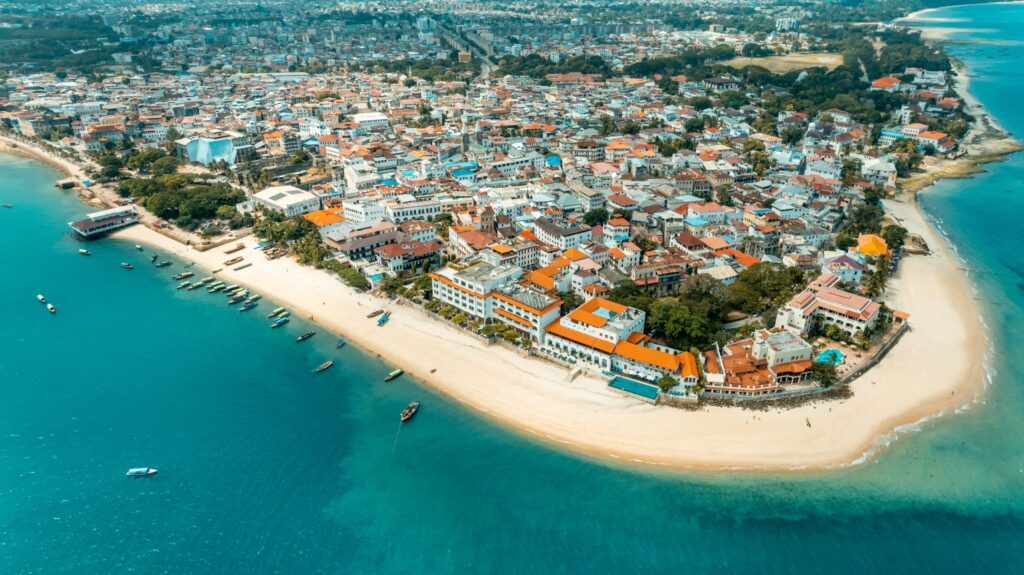
Here are some key aspects of Zanzibar: Zanzibar is a beautiful archipelago located off the coast of Tanzania in East Africa, known for its stunning beaches, rich history, and vibrant culture. Here’s a guide on what to expect, activities to enjoy, and the best times to visit. General Overview Zanzibar consists of two main islands, Unguja (commonly referred to as Zanzibar Island) and Pemba, along with several smaller islets. Zanzibar is famous for its spice trade history, and its capital, Stone Town, is a UNESCO World Heritage Site due to its well-preserved architecture and history. Best Time to Visit Dry Season (June to October): This is the most popular time to visit due to the dry weather and pleasant temperatures (between 25°C – 30°C). It’s ideal for beach activities, snorkeling, and exploring Stone Town. Short Rainy Season (November to December): There are short bursts of rain, but it’s still a good time to visit, especially if you’re seeking fewer crowds. Hot Season (January to February): This is the hottest period, but the weather is still dry, making it perfect for a beach vacation. Long Rainy Season (March to May): Zanzibar experiences heavy rains during this time, so many hotels and businesses close, and it’s not ideal for outdoor activities. Top Activities in Zanzibar Explore Stone Town: Wander through the narrow alleys of this historic town, visiting landmarks like the House of Wonders, Old Fort, and Sultan’s Palace. The mix of Swahili, Arab, Indian, and European influences can be seen in the architecture and culture. Prison Island: A short boat ride from Stone Town, this island was once used as a quarantine station. Now, it’s home to giant tortoises and offers excellent snorkeling spots. Spice Tours: Zanzibar is known as the “Spice Island,” so taking a spice tour is a must. You’ll visit farms where cloves, cinnamon, nutmeg, and other spices are grown, and learn about their importance to the island’s economy. Beaches and Water Activities: Nungwi and Kendwa: Located in the north, these are some of the most stunning beaches with powdery white sand and crystal-clear waters. Perfect for swimming, sunbathing, and water sports. Paje: Located on the eastern coast, Paje is popular with kite surfers and offers a laid-back atmosphere. Snorkeling and Diving: Zanzibar has several coral reefs with abundant marine life. Mnemba Atoll is one of the best spots for diving and snorkeling. Jozani Forest: Home to the endemic Red Colobus Monkeys, this forest is a great place for wildlife enthusiasts and offers beautiful nature walks through mangroves and forests. Visit Pemba Island: If you’re seeking a quieter, more off-the-beaten-path experience, head to Pemba Island. It’s less developed than Unguja and offers great diving, unspoiled beaches, and small fishing villages. Cultural Experiences: Dhow Cruises: Sunset cruises on traditional wooden boats are a great way to relax and enjoy the beautiful seascapes. Local Markets: Visit the Darajani Market in Stone Town for a vibrant shopping experience with spices, fresh produce, and local crafts. What to Expect in Zanzibar Cultural Diversity: Zanzibar is a melting pot of cultures, with influences from Africa, Arab, Indian, and European traders. You’ll notice this in the architecture, food, and language (Swahili is the main language, but many people also speak English). Cuisine: Zanzibari food is rich with spices. Don’t miss trying Zanzibar pizza, biryani, seafood dishes, and the famous Zanzibari spice tea. Dress Code: While Zanzibar is a tropical destination, it’s a predominantly Muslim region, so modest dress is appreciated, especially when visiting Stone Town or rural areas. Currency: The local currency is the Tanzanian shilling (TZS), but US dollars are widely accepted, especially in hotels and tourist areas. Travel Tips Health Precautions: Ensure you’re vaccinated for yellow fever if coming from an endemic region, and consider anti-malaria medication. Transportation: Taxis are common, but you can also hire a private driver or use dala-dalas (local minibuses) for a more authentic experience. Visas: Most travelers need a visa to enter Tanzania, which can often be obtained upon arrival at the airport or applied for online. Zanzibar offers a perfect mix of relaxation, culture, and adventure, making it an ideal tropical destination with something for everyone. Book Now Enjoy an Array of African Beach Holiday Experience Book Now

African Luxury Tanzania Safari
Uncategorized

Ngorongoro Crater-Tanzania Safari

The Ngorongoro Crater is one of Tanzania’s most iconic natural wonders and a UNESCO World Heritage Site. Located within the larger Ngorongoro Conservation Area, this massive volcanic caldera is known for its stunning landscapes and rich biodiversity Key features and information about the Ngorongoro Crater Formation: The Ngorongoro Crater was formed about 2 to 3 million years ago when a giant volcano erupted and collapsed, creating a vast bowl-shaped depression. It is the world’s largest inactive, intact volcanic caldera. Size: The crater has a diameter of approximately 19 kilometers (12 miles), covers an area of around 260 square kilometers (100 square miles), and its walls rise up to 600 meters (2,000 feet) high. Wildlife: Often referred to as “Africa’s Garden of Eden,” the Ngorongoro Crater is home to an extraordinary concentration of wildlife. It’s estimated that about 25,000 large animals live in the crater year-round, including: Lions: One of the densest populations of lions in Africa. Elephants: Some of the largest-tusked elephants in Tanzania. Black Rhinos: A protected population of critically endangered black rhinos. Leopards, Buffaloes, Zebras, Wildebeests, and Hippos. Birdlife: Flamingos, ostriches, and other bird species flourish around the crater lakes. Ecosystem: The crater supports a variety of ecosystems within its floor, including grasslands, forests, swamps, and Lake Magadi, a soda lake that attracts flamingos. The unique geography helps maintain its abundant wildlife throughout the year. Cultural Significance: The Ngorongoro Conservation Area is also home to the Maasai people, who co-exist with the wildlife in a harmonious balance. Visitors can experience authentic Maasai culture through village visits, learning about their traditional way of life. Olduvai Gorge: Located just outside the crater, the Olduvai Gorge is one of the world’s most important archaeological sites, where fossils of early human ancestors have been discovered. It’s often referred to as the “Cradle of Mankind.” Conservation: The Ngorongoro Conservation Area is a multiple-use area, which means it balances conservation efforts with the presence of local Maasai communities. The goal is to protect the area’s biodiversity while allowing indigenous communities to live and graze their livestock. Visiting the Ngorongoro Crater: Best Time to Visit: Wildlife is present year-round, but the dry season (June to October) is ideal for game viewing, as animals tend to gather near water sources. The wet season (November to May) offers lush landscapes and fewer crowds. Safari Experience: The crater provides a unique and highly concentrated safari experience. Game drives usually start early in the morning, as most animals are more active during the cooler hours of the day. Fees: Park fees for the Ngorongoro Conservation Area vary, typically around $60–$70 per person per day for non-residents, plus an additional crater service fee for vehicles. Book Now Book your dream African safari today and experience the untamed wilderness up close Book Now

Uncategorized

Serengeti National Park – Tanzania Safari

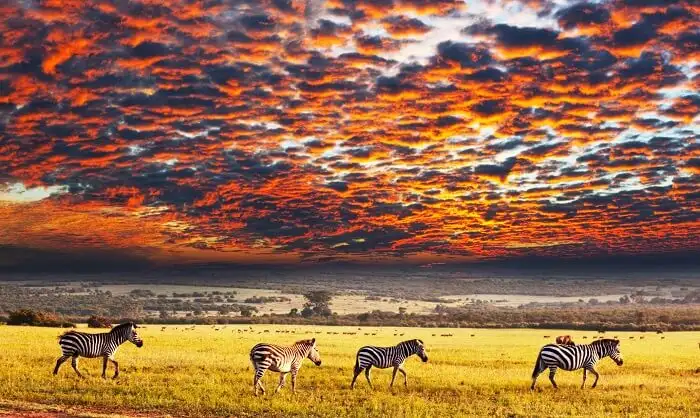
Serengeti National Park is one of the most famous and iconic wildlife conservation areas in the world, located in the northern part of Tanzania, East Africa. It spans an area of approximately 14,750 square kilometers (5,700 square miles) and is contiguous with the Masai Mara National Reserve in Kenya to the north. Together, the Serengeti and Masai Mara form a vast ecosystem that supports a diverse range of wildlife. Key features and information about Serengeti National Park: Great Migration: The Serengeti is renowned for hosting the Great Migration, one of the most spectacular natural events on the planet. This migration involves the movement of millions of wildebeest, zebras, and other herbivores across the Serengeti-Masai Mara ecosystem in search of fresh grazing and water. Wildlife: The park is home to an incredibly diverse array of wildlife, including the Big Five (lion, elephant, buffalo, leopard, and rhinoceros). Other notable species include cheetahs, giraffes, hippos, crocodiles, and a rich variety of bird species. Landscape: The Serengeti features a diverse landscape that includes grasslands, savannahs, woodlands, and riverine forests. The Seronera River, Grumeti River, and Mara River are important water sources for the wildlife. Serengeti Plains: The vast Serengeti Plains, characterized by endless grasslands, are the backdrop for much of the wildlife action, especially during the Great Migration. The plains provide excellent visibility for observing the incredible abundance of wildlife. Conservation Status: Serengeti National Park was established in 1951 and later designated a UNESCO World Heritage Site in 1981 in recognition of its outstanding universal value. The park plays a crucial role in wildlife conservation, protecting the diverse ecosystems and supporting various endangered species. Tourism: The Serengeti is a popular destination for wildlife enthusiasts and tourists. Visitors can experience thrilling safari adventures, witnessing the incredible biodiversity and natural beauty of the region. Hot air balloon safaris are also a unique and popular way to view the landscape and wildlife from above. Cultural Significance: The Serengeti is located in the traditional lands of the Maasai people, and their cultural influence can still be seen in the region. Some lodges and camps in and around the park offer cultural experiences, allowing visitors to learn about and engage with the local Maasai communities. Research and Conservation Efforts: The Serengeti is a hub for scientific research and conservation efforts. Researchers study the park’s ecosystems, wildlife behavior, and migration patterns to better understand and protect the delicate balance of nature in the region. Serengeti National Park continues to be a symbol of Africa’s natural beauty and biodiversity, attracting travelers from around the globe who seek to witness the wonders of the wild in this extraordinary landscape. Book Now Don’t miss out on the adventure of a lifetime. Reserve your African safari now!
Kilimanjaro Trekking
trekking and hikking

Kilimanjaro Trekking – Lemosho Route (8 Days)

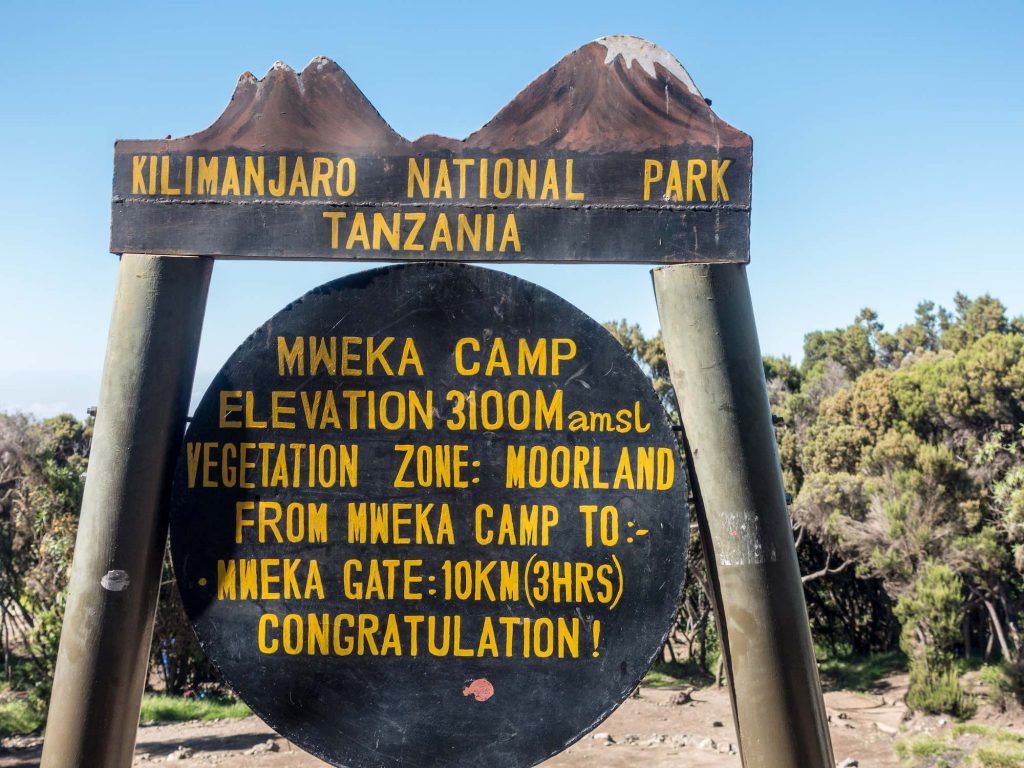
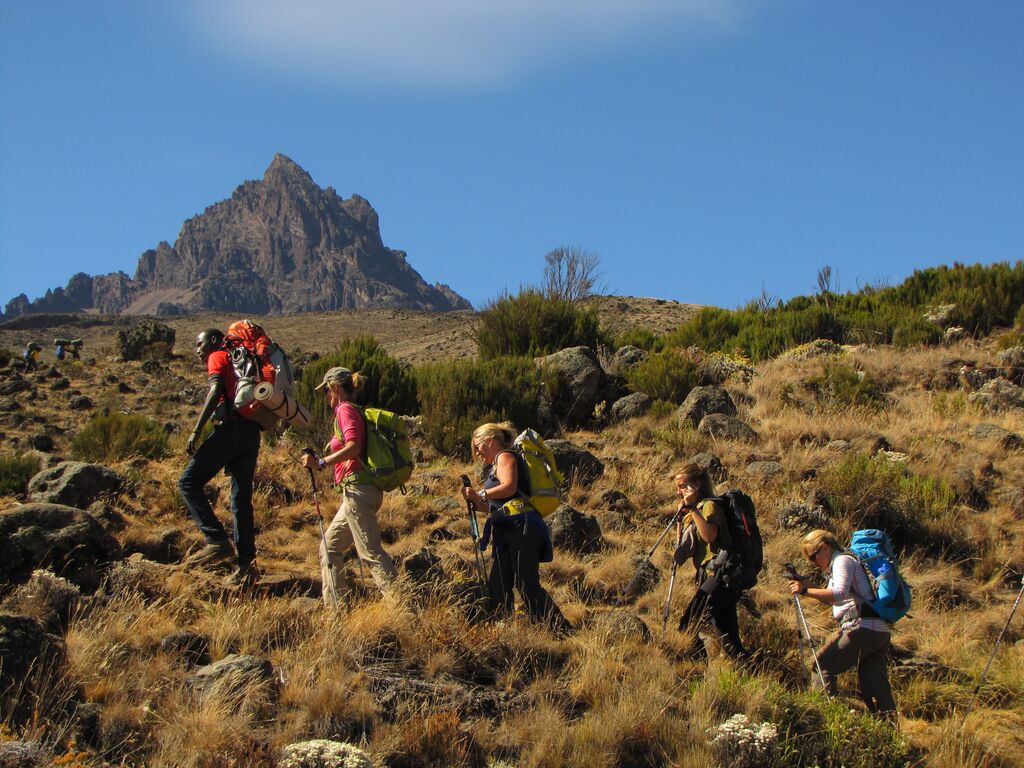
Highlights Kilimanjaro Trekking, Your Seven and Eight-day programs are available, so you can choose depending on the amount of time at your disposal. Longer programs are always recommended over the shorter ones for better acclimatisation. 6 and 7-day Lemosho programs start from a high-altitude drop-off: you’ll be transferred to the elevation of 3,500 m/ 11,500 f by an off-road vehicle and start the hike from there. This is meant to maximize acclimatization transition – the higher you start, the easier your adaptation will be. Kilimanjaro Trekking Detailed Itinerary Day 1: Londorossi Gate to Mti Mkubwa Elevation: 7,742 ft to 9,498 ft – Hiking Time: 3-4 hours Distance: 6 km | 4 miles Habitat: Rain-Forest We depart Arusha for Londorossi Gate, which takes about 4 hours, where you will complete entry formalities. Then drive to the Lemosho trailhead. Upon arrival at trailhead, we begin hiking through undisturbed forest which winds to the first camp site. Day 2: Mti Mkubwa to Shira 1 Camp Elevation: 9,498 ft to 11,500 ft – Hiking Time: 5-6 hours Distance: 8 km | 5 miles Habitat: Health We continue on the trail leading out of the rain forest and into a savannah of tall grasses, heather and volcanic rock draped with lichen beards. As we ascend through the lush rolling hills and cross several streams, we reach the Shira Ridge before dropping gently down to Shira 1 Camp. Here we catch our first glimpse of Kibo across the plateau. Day 3: Shira 1 Camp to Moir Camp Elevation: 11,500 ft to 13,800 ft – Hiking Time: 5-7 hours Distance: 11 km | 7 miles Habitat: Health We explore the Shira Plateau for a full day. It is a gentle walk east on moorland meadows towards Shira 2 Camp. Then we divert from the main trail to Moir Hut, a little used site on the base of Lent Hills. A variety of walks are available on Lent Hills making this an excellent acclimatization opportunity. Shira Plateau is one of the highest plateaus on earth. Day 4: Moir Hut to Lava Tower to Barranco Camp Moir Hut to Lava Tower Elevation: 13,800 ft to 15,190 ft – Hiking Time: 4-5 hours Lava Tower to Barranco Camp Elevation: 15,190 ft to 13,044 ft – Hiking Time: 2-3 hours Distance: 7 km | 4 miles Habitat: Alpine Desert Distance: 3 km | 2 miles Habitat: Alpine Desert We begin the day climbing up a ridge and then head southeast towards the Lava Tower – a 300 ft tall volcanic rock formation. We descend down to Barranco Camp through the strange but beautiful Senecio Forest to an altitude of 13,000 ft. Although you begin and end the day at the same elevation, the time spent at higher altitude is very beneficial for acclimatisation. Day 5:Barranco Camp to Karanga Camp Elevation: 13,044 ft to 13,106 ft – Hiking Time: 4-5 hours Distance: 5 km | 3 miles Habitat: Alpine Desert We begin the day by descending into a ravine to the base of the Great Barranco Wall. Then we climb the non-technical but steep, nearly 900 ft cliff. From the top of the Barranco Wall we cross a series of hills and valleys until we descend sharply into Karanga Valley. One more steep climb up leads us to Karanga Camp. This is a shorter day meant for acclimatization. Day 6: Karanga Camp to Barafu Camp Elevation: 13,106 ft to 15,331 ft – Hiking Time: 4-5 hours Distance: 4 km | 2 miles Habitat: Alpine Desert We leave Karanga and hit the junction which connects with the Mweka Trail. We continue up to the rocky section to Barafu Hut. At this point, you have completed the Southern Circuit, which offers views of the summit from many different angles. Here we make camp, rest and enjoy an early dinner to prepare for the summit day. The two peaks of Mawenzi and Kibo are viewable from this position. Day 7: Barafu Camp to Uhuru Camp to Mweka Camp Barafu Camp to Uhuru Peak Elevation: 15,331 ft to 19,341 ft – Hiking Time: 7-8 hours Uhuru Peak to Mweka Camp Elevation: 19,341 ft to 10,065 ft – Hiking Time: 4-6 hours Distance: 5 km | 3 miles Habitat: Arctic Distance: 12 km | 7 miles Habitat: Rain Forest Very early in the morning (around midnight), we begin our push to the summit. This is the most mentally and physically challenging portion of the trek. The wind and cold at this elevation and time of day can be extreme. We ascend in the darkness for several hours while taking frequent, but short, breaks. Near Stella Point (18,900 ft), you will be rewarded with the most magnificent sunrise you are ever likely to see coming over Mawenzi Peak. Finally, we arrive at Uhuru Peak- the highest point on Mount Kilimanjaro and the continent of Africa. From the summit, we now make our descent continuing straight down to the Mweka Hut camp site, stopping at Barafu for lunch. The trail is very rocky and can be quite hard on the knees; trekking poles are helpful. Mweka Camp is situated in the upper forest and mist or rain can be expected in the late afternoon. Later in the evening, we enjoy our last dinner on the mountain and a well-earned sleep. Day 8: Mwak Camp to Mweka Gate Elevation: 10,065 ft to 5,380 ft – Hiking Time: 3-4 hours Distance: 10 km | 6 miles Habitat: Rain Forest On our last day, we continue the descent to Mweka Gate and collect the summit certificates. At lower elevations, it can be wet and muddy. From the gate, we continue another hour to Mweka Village. A vehicle will meet us at Mweka Village to drive us back to the hotel in Moshi. WHATS INCLUDED? All Entrance fees and Government taxes Airport Transfers (upon Arrival and Departure) Clean, purified drinking water Fair wages for the mountain crew. All meals while on the Mountain Rescue Fees and all taxes. Salaries for Porters, Cook,

Kilimanjaro Trekking
trekking and hikking

Kilimanjaro Trekking – Umbwe Route (8 Days)

Safari Highlights Kilimanjaro Trekking, Daring experienced climbers seeking adventure and challenge will find just what they want on Umbwe. A short steep climb traversing all the climate zones – from tropical rainforest to eternal ice – will put your strength and endurance to the test. Like no other route on Kilimanjaro Umbwe gives a sense of achievement to those who reach the summit. Kilimanjaro Trekking, Your first day on the mountain will start from Umbwe Gate and continue with a lengthy trek to the first camp on your way – Umbwe camp. In spite of the challenge that Umbwe poses to hikers, well thought-out location of camps will contribute to proper acclimatization. Kilimanjaro Trekking Detailed Itinerary Day 1: Umbwe Gate to Umbwe Camp Elevation: 5,249 ft to 9,514 ft – Hiking Time: 5-7 hours Distance: 11 km | 7 miles Habitat: Health The day begins with a 50 minute drive to Machame Gate where registration formalities will be completed. We then transfer through villages and coffee and banana plantations to Umbwe Gate. The trail ascends sharply on a forestry track which winds up the dense rain -forest. The path narrows and steepens as we climb the ridge between two rivers surrounded by huge trees. Umbwe Camp is perched between trees and thick undergrowth. Day 2: Umbwe Camp to Barranco Camp Elevation: 9,514 ft to 13,044 ft – Hiking Time: 4-5 hours Distance: 6 km | 4 miles Habitat: Health The second day of the trek follows rockier terrain with sparse undergrowth and straggly, moss-covered trees. As we gain elevation, glimpses of Kilimanjaro can be seen. The path flattens as we approach Barranco Valley. From Umbwe ridge, the route descends to Barranco Camp through the strange but beautiful Senecio Forest. Day 3: Barranco Camp Elevation: 13,044 ft Habitat: Alpine Desert Extra Day for Acclimatization. Adding this day will ease your effort, and amplify your acclimatization. Day 4: Barranco Camp to Karanga Camp Elevation: 13,044 ft to 13,106 ft – Hiking Time: 4-5 hours Distance: 5 km | 3 miles Habitat: Alpine Desert We begin the day by descending into a ravine to the base of the Great Barranco Wall. Then we climb the non-technical but steep, nearly 900 ft cliff. From the top of the Barranco Wall we cross a series of hills and valleys until we descend sharply into Karanga Valley. One more steep climb up leads us to Karanga Camp. This is a shorter day meant for acclimatization. Day 5: Karanga Camp to Barafu Camp Elevation: 13,106 ft to 15,331 ft – Hiking Time: 4-5 hours Distance: 4 km | 2 miles Habitat: Alpine Desert We leave Karanga and hit the junction which connects with the Mweka Trail. We continue up to the rocky section to Barafu Hut. At this point, you have completed the Southern Circuit, which offers views of the summit from many different angles. Here we make camp, rest and enjoy an early dinner to prepare for the summit day. The two peaks of Mawenzi and Kibo are viewable from this position. Day 6: Barafu Camp to Uhuru Peak to Mweka Camp Barafu Camp to Uhuru Peak Elevation: 15,331 ft to 19,341 ft – Hiking Time: 7-8 hours Uhuru Peak to Mweka Camp Elevation: 19,341 ft to 10,065 ft – Hiking Time: 4-6 hours Distance: 5 km | 3 miles Habitat: Arctic Distance: 12 km | 7 miles Habitat: Rain Forest Very early in the morning (around midnight), we begin our push to the summit. This is the most mentally and physically challenging portion of the trek. The wind and cold at this elevation and time of day can be extreme. We ascend in the darkness for several hours while taking frequent, but short, breaks. Near Stella Point (18,900 ft), you will be rewarded with the most magnificent sunrise you are ever likely to see coming over Mawenzi Peak. Finally, we arrive at Uhuru Peak- the highest point on Mount Kilimanjaro and the continent of Africa. From the summit, we now make our descent continuing straight down to the Mweka Hut camp site, stopping at Barafu for lunch. The trail is very rocky and can be quite hard on the knees; trekking poles are helpful. Mweka Camp is situated in the upper forest and mist or rain can be expected in the late afternoon. Later in the evening, we enjoy our last dinner on the mountain and a well-earned sleep. Day 7: Mwak Camp to Mweka Gate Elevation: 10,065 ft to 5,380 ft – Hiking Time: 3-4 hours Distance: 10 km | 6 miles Habitat: Rain-Forest On our last day, we continue the descent to Mweka Gate and collect the summit certificates. At lower elevations, it can be wet and muddy. From the gate, we continue another hour to Mweka Village. A vehicle will meet us at Mweka Village to drive us back to the hotel in Moshi. Day 8: Mwak Camp to Mweka Gate Elevation: 10,065 ft to 5,380 ft – Hiking Time: 3-4 hours Distance: 10 km | 6 miles Habitat: Rain-Forest On our last day, we continue the descent to Mweka Gate and collect the summit certificates. At lower elevations, it can be wet and muddy. From the gate, we continue another hour to Mweka Village. A vehicle will meet us at Mweka Village to drive us back to the hotel in Moshi. WHATS INCLUDED? All Entrance fees and Government taxes Airport Transfers (upon Arrival and Departure) Clean, purified drinking water Fair wages for the mountain crew. All meals while on the Mountain Rescue Fees and all taxes. Salaries for Porters, Cook, and Guides Oxygen Tanks, Pulse Oximeter, and First Aid Kit WHATS EXCLUDED? International and local airfare. Yellow fever vaccinations Passport, Visa, and Travelers Insurance Local transportation before and after the climb. Personal expenses eg. Laundry, beverages, etc. Tips for the support team Private Toilet and hot shower tent Bed, Sleeping Bag, and walking Poles. Book Now

Kilimanjaro Trekking
trekking and hikking

Kilimanjaro Trekking – Rongai Route (7 Days)

Highlights Kilimanjaro Trekking, Rongai is the only route starting on the northern slope of Kilimanjaro. Though this part of the Mountain is rarely visited by hikers, it is not less interesting than the popular southern and western slopes. We recommend Rongai to all those who like reclusive hiking experiences. Kilimanjaro Trekking, Rongai is also the only route that passes by Mawenzi, one of the three volcanic cones of Kilimanjaro and the third highest peak in Africa. The way back lies through Marangu, and thus you will be able to see both sides of the mountain. Though six and seven-day programs are available, a longer option is recommended for better acclimatization transition. Kilimanjaro Trekking Detailed Itinerary Day 1: Rongai Gate to Rongai Cave Elevation: 6,398 ft to 9,300 ft – Hiking Time: 3-4 hours Distance: 8 km | 5 miles Habitat: Rain-Forest We drive from Moshi to Marangu Gate for permits before taking a short transfer to the Rongai Gate trailhead. The path winds through corn and potato fields and then climbs gently through the forest which is home to a variety of wildlife, including the black and white colobus monkey. Day 2: Rongai Cave to Second Cave to Kikelelwa Cave Rongai Cave to to Second Cave Elevation: 9,300 ft to 11,300 ft – Hiking Time: 3-4 hours Second Cave to Kikelewa Cave Elevation: 11,300 ft to 11,811 ft – Hiking Time: 3-4 hours Distance: 6 km | 4 miles Habitat: Health Distance: 6 km | 4 miles Habitat: Health We begin this morning with a steady incline up to Second Cave. We continue trekking though moorland, leaving the main trail for a smaller path towards the jagged peaks of Mawenzi, before finally arriving at Kikelewa Cave for the night. Day 3: Kikelewa Cave to Mawenzi Tarn Elevation: 11,811 ft to 14,160 ft – Hiking Time: 3-4 hours Distance: 5 km | 3 miles Habitat: Alpine Desert The hike today is short and steep up a grassy slope. Views of the wilderness area are stunning. As we exit the heath zone and emerge into the Alpine Desert zone, the landscape changes dramatically. Our camp is situated beneath the jagged spires of Mawenzi, at Mawenzi Tarn. The remainder of the day can be spent relaxing or exploring the area. Day 4: Mawenzi Tarn to Mawenzi Ridge to Mawenzi Tarn Mawenzi Tarn to Mawenzi Ridge Elevation: 14,160 ft -14,400 ft – Hiking Time: 1-2 hours Mawenzi Ridge to Mawenzi Tarn Elevation: 14,400 ft -14,160 ft – Hiking Time: 1-2 hours Distance: 2 km | 1 miles Habitat: Alpine Desert Distance: 2 km | 1 miles Habitat: Alpine Desert This is an extra day meant for acclimatization and can be spent day hiking on Mawenzi Ridge. The unique landscape offers motivating views of Kibo and Mawenzi. After spending a few moments exploring the area we head back to Mawenzi Tarn for camp. Day 5: Mawenzi Tarn to Kibo Hut Elevation: 14,160 ft to 15,430 ft – Hiking Time: 5-6 hours Distance: 8 km | 5 miles Habitat: Alpine Desert We climb gradually, then cross the lunar desert of the “Saddle” between Mawenzi and Kibo. Our camp, Kibo Hut, sits at the bottom of the Kibo crater wall. Once here we rest, enjoy an early dinner to prepare for the summit day. Day 6: Kibo Hut ot Uhuru Peak to Horombo Hut School Hut to Uhuru Peak Elevation: 15,430 ft to 19,341 ft – Hiking Time: 6-8 hours Uhuru Peak to Horombo Hut Elevation: 19,341 ft to 12,250 ft – Hiking Time: 4-5 hours Distance: 6 km | 4 miles Habitat: Arctic Distance: 16 km | 10 miles Habitat: Health Very early in the morning (around midnight), we begin our push to the summit. This is the most mentally and physically challenging portion of the trek. The wind and cold at this elevation and time of day can be extreme. We ascend in the darkness for several hours while taking frequent, but short, breaks. At Gilman’s point (18,600 ft), you will be rewarded with the most magnificent sunrise you are ever likely to see coming over Mawenzi Peak. Finally, we arrive at Uhuru Peak- the highest point on Mount Kilimanjaro and the continent of Africa. After spending a few moments taking in the plains of Africa and your accomplishment, we descend to Horombo Hut. Later in the evening, we enjoy our last dinner on the mountain and a well-earned sleep. Day 7: Horombo Hut to Marangu Gate Elevation: 12,205 ft to 6,046 ft – Hiking Time: 5-7 hours Distance: 20 km | 12 miles Habitat: Rain-Forest On our last day, we have a long trek mostly downhill through the tropical rainforest. Once at the park headquarters at Marangu gate, we collect our summit certificates. A vehicle will meet us here and drive us back to the hotel in Moshi. WHATS INCLUDED? All Entrance fees and Government taxes Airport Transfers (upon Arrival and Departure) Clean, purified drinking water Fair wages for the mountain crew. All meals while on the Mountain Rescue Fees and all taxes. Salaries for Porters, Cook, and Guides Oxygen Tanks, Pulse Oximeter, and First Aid Kit WHATS EXCLUDED? International and local airfare. Yellow fever vaccinations Passport, Visa, and Travelers Insurance Local transportation before and after the climb. Personal expenses eg. Laundry, beverages, etc. Tips for the support team Private Toilet and hot shower tent Bed, Sleeping Bag, and walking Poles. Book Now

Kilimanjaro Trekking
trekking and hikking

Kilimanjaro Trekking – Shira Route (6 Days)

Highlights Kilimanjaro Trekking, the second most popular option among the climbers is the Shira route, also known as “the Whiskey Route”. This route offers a wide variety of views, landscapes and experiences. The starting point of the route, Machame Gate, is only a 20-minute drive from Aishi Machame Hotel. Kilimanjaro Trekking, Located on the southern slope of Mt Kilimanjaro, Machame Gate will lead you to the top of Kilimanjaro along the exciting footpath which starts at the tropical forest, then runs through all the climate zones and finishes with the Arctic desert in the summit area. Kilimanjaro Trekking Detailed Itinerary Day 1: Machame Gate to Machame Camp Elevation: 5,380 ft to 9,350 ft Hiking Time: 5-7 hours Distance: 11 km | 7 miles Habitat: Rain Forest The drive from Moshi to the Machame Gate takes about 50 minutes. The journey passes through the village of Machame which is located on the lower slopes of the mountain. As we leave the park gate, we walk through the dense rain forest on a winding trail up a ridge until we reach the Machame Camp. Day 2: Machame Camp to Shira Camp Elevation: 9,350 ft to 12,500 ft Hiking Time: 4-6 hours Distance: 5 km | 3 miles Habitat: Health We leave the glades of the rain forest and continue on an ascending path up to a steep, rocky ridge. On the Shira Plateau, we pass through heather and open moorlands, then cross a large river gorge to Shira 2 Camp. Day 3: shira 2 camp to Lava Camp to Barranco Camp Elevation (ft): 12,500ft to 13,000ft Distance: 10 km Hiking Time: 6-8 hours Habitat: Semi Desert From the Shira Plateau, we continue to the east up a ridge, passing the junction towards the peak of Kibo. As we continue, our direction changes to the South East towards the Lava Tower, called the “Shark’s Tooth.” Shortly after the tower, we come to the second junction which brings us up to the Arrow Glacier at an altitude of 16,000ft. We now continue down to the Barranco Hut at an altitude of 13,000ft. Here we rest, enjoy dinner, and overnight. Although you end the day at the same elevation as when you started, this day is very important for Acclimatisation and will help your body prepare for summit day. Day 4: Barranco Camp to Karanga Camp Elevation: 13,000ft to 13,100ft Hiking time: 4-5 hours Distance: 3 miles Habitat: Alpine Desert After breakfast, we leave Barranco and continue on a steep ridge passing the Barranco Wall, to the Karanga Valley campsite. This is a short day meant for acclimatisation. Elevation: 13,000ft to 13,100ft Hiking time: 4-5 hours Distance: 3 miles Habitat: Alpine Desert. Day 5: Karanga Camp to Barafu Camp Elevation: 13,000 ft to 15,300ft Hiking time: 4-5 hours Distance: 2.5 miles Habitat: Alpine Desert After breakfast, we leave Karanga and hit the junction which connects with the Mweka Trail. We continue up to the Barafu Hut. At this point, you have completed the South Circuit, which offers views of the summit from many different angles. Here we make camp, rest, enjoy dinner, and prepare for the summit day. The two peaks of Mawenzi and Kibo are to be seen from this position. Day 6: Barafu Camp to Uhuru Camp to Mweka Camp Hiking time: 12 – 15 hours Distance: 3 miles to Summit; 7 miles descent Habitat: Arctic Very early in the morning (midnight to 2am), we continue our way to the summit between the Rebmann and Ratzel glaciers. You head in a northwesterly direction and ascend through heavy scree towards Stella Point on the crater rim. This is the most mentally and physically challenging portion of the trek. At Stella Point (18,600 ft), you will stop for a short rest and will be rewarded with the most magnificent sunrise you are ever likely to see (weather permitting). From Stella Point, you may encounter snow all they way on your 1-hour ascent to the summit. Day 6: Mweka Camp to Mweka Gate Elevation: 10,000ft to 5400ft Hiking time: 3-4 hours Distance: 6 miles Habitat: Rain Forest After breakfast, we continue the descent down to the Mweka Park Gate to receive your summit certificates. At lower elevations, it can be wet and muddy. Gaiters and trekking poles will help. Shorts and t-shirts will probably be plenty to wear (keep rain gear and warmer clothing handy). From the gate, you continue another hour to Mweka Village. A vehicle will meet you at Mweka village to drive you back to hotel in Moshi. WHATS INCLUDED? All Entrance fees and Government taxes Airport Transfers (upon Arrival and Departure) Clean, purified drinking water Fair wages for the mountain crew. All meals while on the Mountain Rescue Fees and all taxes. Salaries for Porters, Cook, and Guides Oxygen Tanks, Pulse Oximeter, and First Aid Kit WHATS EXCLUDED? International and local airfare. Yellow fever vaccinations Passport, Visa, and Travelers Insurance Local transportation before and after the climb. Personal expenses eg. Laundry, beverages, etc. Tips for the support team Private Toilet and hot shower tent Bed, Sleeping Bag, and walking Poles. Book Now

Scroll to Top